Articles & Insights
Knowledge Base
Deep dives into IQ scores, historical geniuses, and the science of cognitive assessment.
Albert Einstein never took an IQ test. Here's how historians and psychometricians estimate his intelligence—and why the number 140–150 comes up so often.
A clear breakdown of IQ score ranges, what each tier means, and how the Einstein IQ assessment maps your performance to historical figures—from average to genius level.
Estimated at an IQ of 160+, Leonardo da Vinci is widely regarded as one of the smartest people in history. Explore his achievements, his cognitive profile, and why his intelligence still fascinates us.
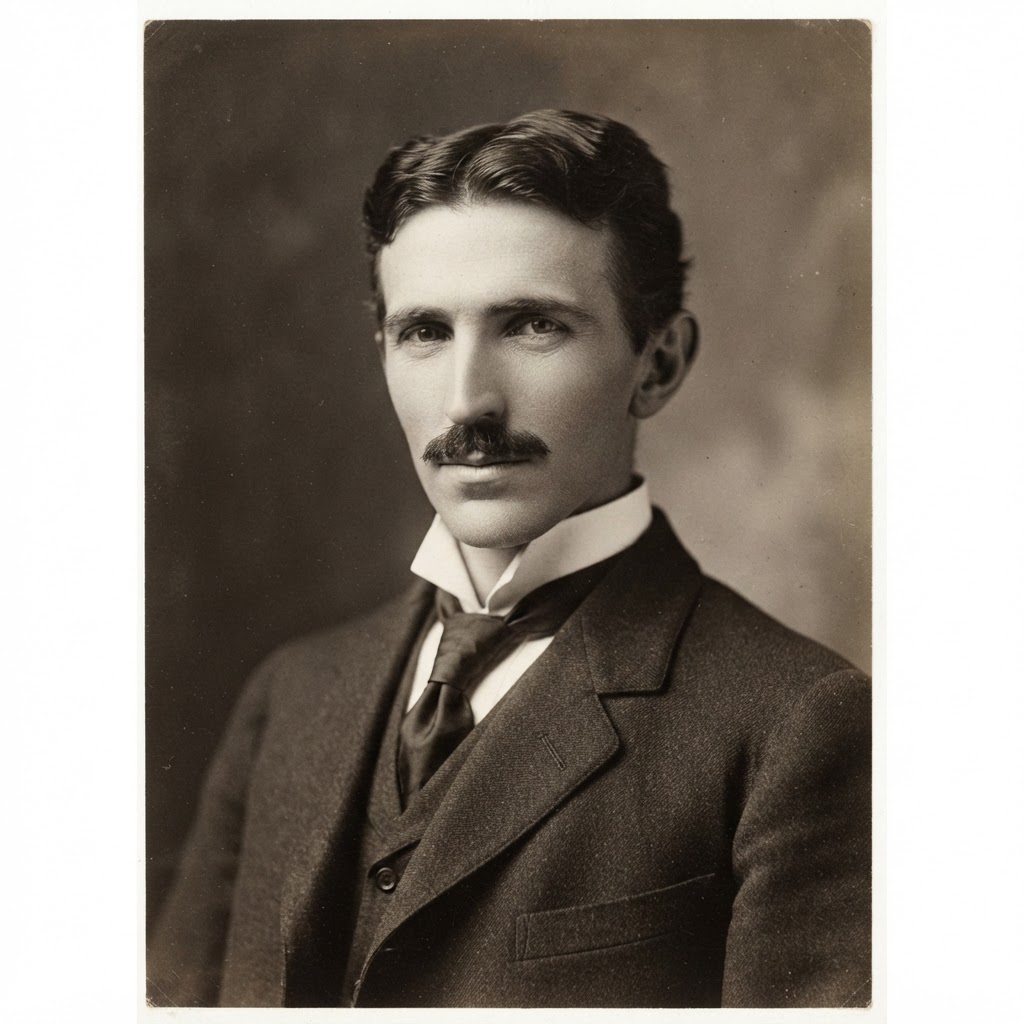
Nikola Tesla's estimated IQ of 155+ places him among the smartest people ever. From alternating current to wireless transmission, explore the mind of one of history's greatest inventors.
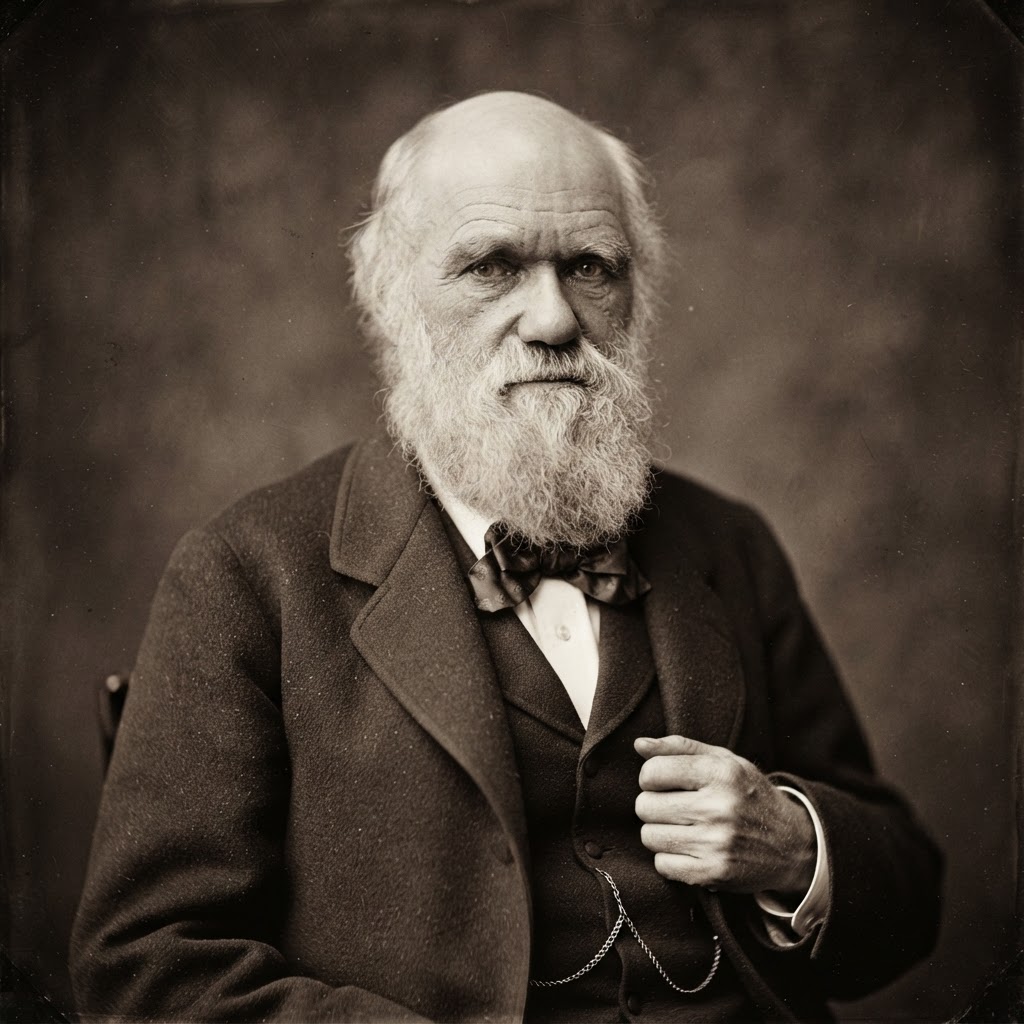
Charles Darwin's estimated IQ of 128–138 reflects a keen analytical observer. Discover how his theory of evolution changed science and why his intelligence was more about pattern recognition than raw genius.
Stephen Hawking's estimated IQ of 135–145 placed him among the gifted. Explore how he probed black holes and the origins of the universe while living with ALS for over five decades.
Benjamin Franklin's estimated IQ of 120–130 reflects a sharp, practical intellect. From electricity to diplomacy, discover how the American polymath shaped a nation's founding principles.
Marilyn Monroe's estimated IQ of 105–115 was above average, but her real genius was emotional intelligence and charisma. Discover the woman behind the Hollywood icon.
Andy Warhol's estimated IQ of 100–110 was average, but his creative intuition and conceptual thinking were extraordinary. Discover how the Pop Art pioneer transformed commercial imagery into cultural critique.
From Leonardo da Vinci to Marilyn Monroe, here's a ranked look at the estimated IQ scores of history's most famous minds—and why every number is an educated guess, not a measurement.
IQ scores follow a bell curve with an average of 100 and a standard deviation of 15. Here's how modern IQ tests are scored, what the ranges mean, and where the numbers come from.
Who were the smartest people ever to live? From Leonardo da Vinci to Albert Einstein, here's a look at history's greatest minds and what made their intelligence extraordinary.
How intelligence testing evolved from a tool for helping struggling schoolchildren in 1900s Paris into the modern IQ assessments we know today—and the controversies that followed.
Psychologists split intelligence into two broad types—one for solving brand-new problems, one for applying what you already know. The difference explains a lot about how minds change with age.
Is IQ fixed for life, or can you raise it? The honest, research-backed answer sits between the marketing hype and the cynicism.
You can't cram your way to a better brain, but the daily habits around sleep, movement, food, and attention have a real, research-backed effect on how clearly you think.
IQ measures reasoning; EQ measures emotional skill. How the two differ, how each is measured, and why the 'which matters more' debate is more nuanced than the headlines.
Brain-training apps promise sharper memory and a faster mind. Here is what the research says about whether those gains are real—and what actually keeps a brain sharp.
Marie Curie never took an IQ test—so where do the numbers come from? An honest look at estimating the intellect behind two Nobel Prizes.